Progress Over Perfection: A Designer’s Review
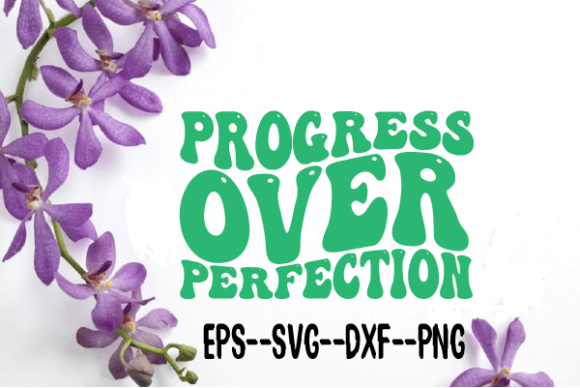
As a designer who spends half my life troubleshooting thread jams and the other half tweaking kerning in vector software, I approach every new digital asset with a mix of skepticism and curiosity. When Progress over Perfection Wavy Retro Svg landed on my desk, I didn’t just see a file; I saw potential inventory for my own small shop and a test case for my embroidery workflow. The phrase itself sets the tone—it’s not about flawless symmetry, but about character, movement, and that distinct, nostalgic vibe that performs so well in the handmade market today.
This review isn’t just about aesthetics. It is about how this design translates from a screen to fabric, how it holds up under a sewing machine needle, and whether it will actually sell on Etsy or delight a client at a craft fair. Let’s dive into the practical realities of using this graphic in real-world embroidery projects.
First Impressions and Visual Personality
The moment you open the file, the wavy retro aesthetic jumps out. It feels relaxed yet structured, capturing that mid-century modern influence without being overly rigid. For an embroidery project, visual weight matters immensely. If a design is too thin, it gets lost in the fabric weave; if it’s too dense, it becomes stiff and uncomfortable to wear. This design strikes a balance that makes it highly versatile for custom apparel and home decor items.
The typography and wave elements suggest a mood that is both encouraging and stylish. It works beautifully for motivational quotes often found on sweatshirt embroidery or tote bags. The "wavy" aspect adds a dynamic flow that mimics the natural drape of fabric, which is a subtle but important detail for designers. It doesn’t fight against the material; it flows with it. This is exactly the kind of energy that resonates with buyers looking for handmade product uniqueness rather than mass-produced uniformity.
Real-World Application: From Screen to Stitch
I recently tested this concept by preparing a custom embroidered tote bag for a local boutique client. The goal was to create a personalized gift that felt professional but approachable. Using the provided DXF and EPS files, I converted the layout into a format compatible with my digitizing software. Here is how it performed in various scenarios:
- Tote Bags and Canvas Items: The bold lines of the retro waves hold up exceptionally well on heavy canvas. The contrast between the thread and the sturdy fabric creates a crisp finish that looks expensive. It serves as a perfect example of a tote bag design that elevates a basic item into a statement piece.
- Sweatshirts and Hoodies: On softer cotton blends, the design softens slightly, which can be a benefit. However, care must be taken with the stitch density. I found that a medium-density fill stitch worked best to keep the waves smooth without creating a thick, uncomfortable ridge on the wearer’s chest.
- Baby Clothes and Nursery Decor: The gentle curves make this suitable for baby embroidery, such as onesies or nursery wall art. The message "Progress over Perfection" is particularly poignant for parents, making it a strong candidate for holiday embroidery gifts or baby shower presents.
- Pillows and Home Textiles: As a pillow cover design, it adds a touch of bohemian flair. The retro vibe fits seamlessly into current interior design trends that favor warm tones and organic shapes.
For Etsy sellers and small business owners, this versatility is key. You are not limited to one product type. The same core design asset can be adapted for kitchen towels, aprons, and even embroidered patches for denim jackets, maximizing the value of your initial purchase.
Technical Considerations and Potential Pitfalls
No design is perfect for every situation, and honest evaluation requires acknowledging where Progress over Perfection Wavy Retro Svg might struggle. Embroidery is a subtractive process in many ways—you are adding bulk, and if the design is too intricate, it can become muddy.
Small Hoop Sizes: If you plan to embroider this on a cap brim or a tiny pocket square, you need to check the minimum hoop size required. While the source files are vector-based, the digitization (or the way you interpret them) may require a certain amount of space for the waves to breathe. Trying to cram this into a 3x3 inch hoop might result in overlapping threads and loss of detail.
Fabric Texture and Stretch: This design looks fantastic on stable fabrics like cotton twill or canvas. However, caution is advised when working with stretchy fabric or highly textured materials like bouclé wool. Without proper stabilizer support, the wavy lines could pucker or distort, ruining the clean retro look. Always use a cut-away stabilizer for knits to ensure the integrity of the stitch density.
Dense Stitch Areas: If you choose to use a heavy fill stitch for the text or wave blocks, be mindful of the final hand feel. For apparel decorators targeting comfort-conscious customers, a combination of satin stitches for outlines and lighter fill patterns for the background often yields a more professional result than solid, dense blocks of thread.
Practical Designer Notes for Success
To get the most out of this digital embroidery file, follow these practical steps before committing to your final production run:
- Test on Scrap Fabric: Never assume a design will behave perfectly on your final material. Run a test stitch on the exact fabric you intend to use. This helps you gauge how the fabric texture interacts with the thread sheen.
- Check Thread Color Contrast: The retro aesthetic relies heavily on color harmony. Test your chosen thread colors against the fabric. Light threads on dark fabric pop, but dark threads on black fabric can disappear unless you use a metallic or high-sheen thread for definition.
- Inspect Small Details: Zoom in on the digitized version. Are the corners of the letters sharp? Do the waves have enough spacing to prevent thread breaks? Inspecting these details ensures a high-quality finished product.
- Use Proper Stabilizer: The choice of stabilizer is as important as the design itself. For machine embroidery design stability, match your stabilizer to the fabric weight. Heavy stabilizers for light fabrics, and vice versa.
- Confirm Licensing: Before listing this as a craft business item, double-check the license terms included with the DXF and EPS files. Ensure you are permitted to sell finished goods created with this design. This protects your commercial embroidery venture from legal issues.
Final Verdict: Does It Deliver Value?
From a design perspective, Progress over Perfection Wavy Retro Svg is a strong asset for any creative entrepreneur. It captures a popular aesthetic while remaining simple enough to execute reliably on most home and commercial machines. Its adaptability across apparel decorators’ catalogs, from custom apparel to printable mockups for digital products, makes it a high-value addition to your design assets library.
It encourages creativity and acknowledges the messy reality of making things, which is a narrative that connects deeply with the handmade community. Whether you are creating a personalized gift for a friend or building a brand identity for your small shop product line, this design offers a blend of style and substance. Just remember to respect the technical limits of the medium—test thoroughly, stabilize properly, and let the quality of your execution speak for itself. In the world of handmade goods, that attention to detail is what turns a simple stitch into a trusted brand promise.