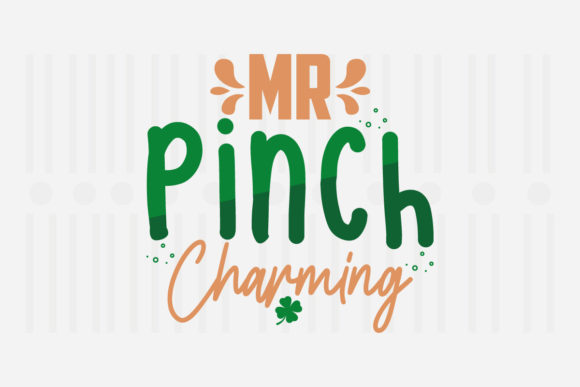
Mr Pinch Charming,St. Patrick s Svg Review
As a designer who spends half the year prepping for St. Patrick’s Day and the other half troubleshooting stitch density issues, I look at every new SVG with a critical eye. We are not just looking for cute graphics; we are looking for viability. Can this design hold up on a sweatshirt? Will it read clearly on a tote bag? Does it have that "handmade" polish that justifies a higher price point on Etsy? Today, I am putting Mr Pinch Charming,St. Patrick s Svg through its paces to see if it belongs in your commercial library or stays buried in your drafts folder.
First Impressions: Mood and Visual Personality
The name alone does some heavy lifting here. "Mr. Pinch Charming" suggests a playful, slightly cheeky personality. In the world of holiday embroidery, you want designs that communicate joy without being overly childish, unless you are targeting toddlers specifically. This graphic strikes a balance that feels right for a broad audience. It has a whimsical quality that works well for personalized gifts, but the clean lines suggest it can also anchor a more sophisticated boutique brand identity.
Visually, the layout appears balanced. For an embroidery project, symmetry or strong directional flow is key. If the elements are too scattered, they can look messy when stitched, especially if the fabric shifts under the hoop. The concept of a "charming" character implies rounded edges and approachable shapes, which generally translate better to machine stitching than sharp, jagged angles that might require excessive trimming or risk thread breaks. The mood is festive but not cluttered, leaving room for text or secondary embellishments if you choose to add them.
Real-World Application: Where Does It Fit?
I like to test designs by visualizing them on specific products before I even open the file. Here is how I see Mr Pinch Charming,St. Patrick s Svg performing in real-life scenarios:
- Tote Bags and Market Totes: This is perhaps the strongest use case. A large-scale print of this design on a canvas tote creates an instant conversation starter. The bold nature of the character reads well from a distance, which is crucial for craft fair visibility. It turns a simple accessory into a statement piece.
- Sweatshirts and Hoodies: St. Patrick’s Day is peak season for cozy wear. This design would work beautifully centered on the chest or as a larger back print. Because it is described as easy to change color, you can adapt it for both traditional green themes and modern pastels or monochromatic looks.
- Kitchen Towels and Aprons: Home decor is a huge segment for handmade sellers. Placing this charming figure on a flour sack towel adds a touch of humor to the kitchen. It is functional, giftable, and fits the "hygge" aesthetic that many buyers seek during spring holidays.
- Baby Items and Nursery Decor: If the design leans soft rather than aggressive, it could be adapted for baby onesies or nursery wall art. The "charming" aspect suggests it is safe for younger audiences, making it a versatile asset for makers who specialize in baby showers or newborn gifts.
Technical Considerations for Embroidery Designers
While the source files are provided in SVG and EPS formats, converting vector graphics to machine embroidery requires careful attention to detail. Here is what you need to watch out for when digitizing or using this design:
Color Changes and Thread Selection
The product description highlights that the design is 100% color changeable. This is a massive advantage for commercial flexibility. You are not locked into a single palette. However, remember that fewer color changes generally mean faster production times and lower thread waste. When planning your thread colors, aim for high contrast against your base fabric. On dark fabrics, you may need a cutwork underlay or a white stabilizer layer to ensure the colors pop. On light fabrics, vibrant greens and golds will shine, but you must check for transparency issues where the background might show through thin stitches.
Stitch Density and Fabric Texture
Not all fabrics play nice with detailed SVGs. If you plan to embroider this on a textured fabric like burlap or a thick fleece, you need to ensure the stitch density is appropriate. Too dense, and the fabric will pucker; too sparse, and the design will look patchy. I recommend testing this on scrap fabric first. Pay close attention to any small details or tiny lettering within the design. These areas often suffer from thread tangles or lack definition if the hoop size is too small or the tension is off.
Hoop Size and Placement
Before committing to a full production run, confirm the maximum hoop size required. If the design is wider than 5x7 inches, you will need a multi-hooping technique, which increases the risk of alignment errors. For items like caps or curved surfaces, the design must be adjusted for curvature. Flat designs do not always translate well to three-dimensional objects without warping.
Strategic Advice for Sellers and Makers
If you are an Etsy seller or running a craft business, presentation is everything. Use this design to create printable mockups that show the product in lifestyle settings. Show the tote bag filled with groceries, the apron worn while cooking, or the sweatshirt paired with jeans. This helps buyers visualize the value of the handmade product.
Consider offering customization options. Since the source file allows for easy color changes, you can offer "personalized" versions where customers choose their favorite shade of green or even add their name. This increases perceived value and reduces returns because the buyer feels ownership over the final look.
However, be cautious about licensing. While the file includes EPS and SVG sources, verify the commercial use rights before selling finished items. Some platforms have strict policies regarding digital assets. Always check the license terms to protect your small shop product from takedowns.
Final Verdict
Mr Pinch Charming,St. Patrick s Svg is a solid addition to any crafter’s toolkit. It offers versatility across multiple product categories, from apparel to home decor. Its charm lies in its simplicity and adaptability. It is not overly complex, which makes it forgiving for beginners, yet stylish enough for seasoned professionals. By paying attention to fabric choice, thread contrast, and proper stabilization, you can turn this digital asset into a profitable, high-quality physical product. Just remember to test, test, and test again before you ship to your customers.