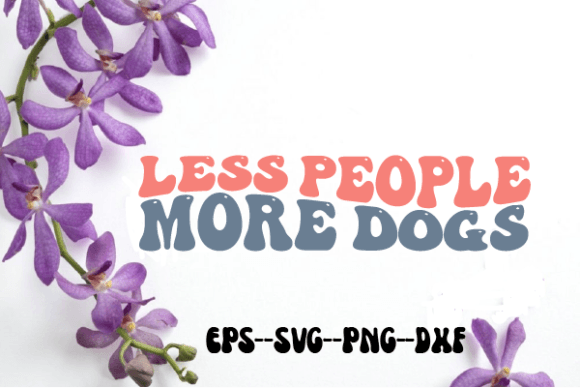
Less People More Dogs Retro Wavy Svg
As a designer who spends more time staring at stitch density charts and fabric swatches than I do watching TV, I approach every new digital asset with a healthy dose of skepticism. The market is flooded with "cute" graphics that look great on a screen but fall apart under the needle. When I first pulled up Less People More Dogs. Retro Wavy Svg, my immediate reaction wasn't just about the sentiment—it was about the geometry. In machine embroidery, form follows function, and if the vector paths aren't clean, the satin stitches will pucker.
This design falls squarely into the Crafts and Graphics categories, which often signals a sublimation or print-ready file rather than a native digitized embroidery file. However, the visual personality of this piece is exactly what small business owners and Etsy sellers are looking for right now. It taps into the current wave of retro nostalgia while delivering a relatable, humorous message that resonates with dog lovers. But can it work as a machine embroidery design? Let’s break down how this embroidery project would actually perform in the real world.
The First Impression: Mood and Visual Personality
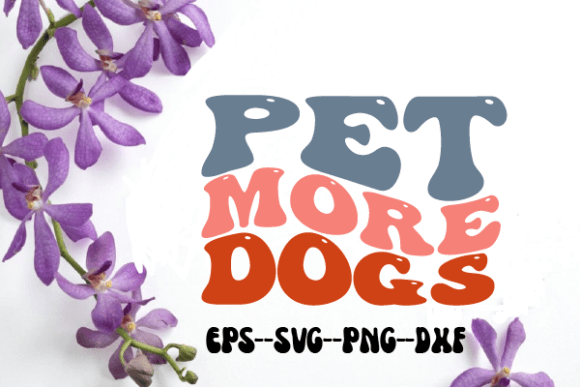
The phrase "Less People, More Dogs" is a staple in modern pet culture, and pairing it with a wavy, retro aesthetic gives it a distinct vibe. It feels laid-back, cool, and slightly ironic. From a design standpoint, the wavy typography suggests movement and fluidity, which is risky in embroidery because curves require precise stabilization to avoid distortion. If this were a simple straight-stitch applique, it might be easier to execute, but as a filled graphic, it demands respect from the operator.
The mood is undeniably friendly and approachable. This isn’t a formal corporate logo; it’s a statement piece. That makes it perfect for personalized gift items where the recipient wants to express their identity. Whether it’s for a chaotic household with three rescue dogs or a minimalist apartment with one very demanding cat owner (wait, no, stick to the brief—this is strictly for dogs), the emotional hook is strong. For an Etsy seller, this kind of relatable humor drives engagement. Customers don’t just buy a shirt; they buy into the lifestyle of prioritizing their pets over social obligations.
Real-World Application: Where This Design Shines
I envision this design thriving on specific products where comfort and casual style intersect. Here is how I see it performing in actual production scenarios:
- Sweatshirt Embroidery: This is the ideal canvas. A heavyweight cotton fleece sweatshirt provides the stability needed for any fill stitches. Placing a medium-sized version of this design on the chest or centered on the back creates a boutique-quality look. The retro font pairs beautifully with soft, muted colors like sage green, mustard yellow, or dusty rose thread colors.
- Tote Bag Design: Canvas tote bags are a staple for craft fairs and everyday use. Because canvas has some give, you must be careful with large areas of dense stitching. However, if the design relies more on satin stitch outlines and minimal filling, it holds up well. It’s a practical item that gets carried around, meaning the design needs to withstand friction. A well-executed embroidered patch style application here adds durability.
- Baby Embroidery: There is a massive market for personalized baby gear. While the sentiment is adult-oriented, parents love projecting their hobbies onto their children’s items. Imagine this on a onesie or a burp cloth. The key here is scale. You cannot cram this entire message onto a tiny area without losing legibility. It works best as a smaller accent on the side seam or near the pocket area of a larger garment.
- Holiday Embroidery: Dog lovers rarely miss out on holiday gifts. This design could easily be adapted for Christmas ornaments, aprons, or kitchen towels. The retro vibe fits perfectly with vintage-style holiday decor. A tea towel featuring this design is a high-performing small shop product because it combines utility with humor.
Technical Considerations and Potential Pitfalls
Let’s get practical. Just because a file is available doesn’t mean it’s ready to stitch. Since the source is described as an SVG/EPS/DXF file intended for sublimation, you are likely looking at converting this into an embroidery file. This conversion process is where many designs fail.
Stitch Density and Hoop Size: If the original graphic has thin, intricate lines, your digitizer needs to ensure those lines are thick enough to be visible after stitching. Thin satin stitches on a wavy path can look jagged. You need to check the stitch density carefully. If the design is too dense for the fabric, it will become stiff and uncomfortable. Conversely, if it’s too sparse, the backing material will show through. Always test on scrap fabric first to gauge the balance.
Fabric Texture and Stability: This design should be avoided on highly textured fabrics like bouclé or loose-weave linen unless you are using a heavy-duty stabilizer. The irregular surface will cause the needle to deflect, leading to misaligned stitches. Similarly, stretchy knits require a cut-away stabilizer to prevent the hoop marks from distorting the final shape. If you attempt this on a curved surface like a cap brim, the wavy text may not align correctly with the curve, creating a disjointed look.
Thread Color Contrast: The visual appeal of this design hinges on contrast. On dark fabric, light thread colors are essential. On white fabric, darker threads provide definition. I recommend testing the design in black and white mockups before committing to color. This helps you assess the silhouette and readability without the distraction of color choices. If the wavy letters merge together in grayscale, they will definitely merge when stitched.
Commercial Viability and Brand Consistency
For the craft business owner, consistency is key. Using a trendy retro font helps establish a brand identity that feels curated and intentional. When customers receive a finished product with clean, crisp stitching, it builds trust. They assume that if the embroidery is good, the rest of the product quality is high. A sloppy execution of this design, however, can damage your reputation. Ensure that the edges are clean, there are no loose threads, and the design sits flat against the fabric.
Furthermore, consider the licensing. Before selling these items, confirm whether you have the rights to use this digital embroidery file for commercial purposes. Many creators sell personal-use licenses only. If you plan to list this on Etsy or your own website, verify the terms to avoid legal issues. Also, think about design assets—can you offer this as a printable mockup for customers to preview? Offering a digital preview can increase conversion rates by helping buyers visualize the custom apparel on themselves.
Final Verdict
Less People More Dogs. Retro Wavy Svg is a strong contender for anyone looking to add a touch of humor and nostalgia to their inventory. It works best when applied to stable fabrics like cotton fleece or canvas, where the retro typography can shine without technical interference. As a designer, I appreciate its clear message and stylish layout, but I urge you to treat the digitization process with care. Test your stabilizer choices, inspect small details closely, and always prioritize stitch clarity over speed.
If executed well, this design has the potential to become a bestseller in the pet lover niche. It’s relatable, stylish, and emotionally engaging. For the creative entrepreneur, it’s not just a graphic; it’s a conversation starter. Just remember: the difference between a good handmade product and a great one lies in the details. Take the time to get the tension right, choose the correct thread colors, and let the design speak for itself. Your customers—and their dogs—will thank you.