Happy Llamakkah Retro Wavy Svg Review
As a designer who spends more time staring at stitch paths than sleeping, I approach every new digital asset with a healthy dose of skepticism. The market is flooded with generic holiday clipart, so finding something that actually translates well from screen to fabric is rare. That is exactly why I took Happy Llamakkah Retro Wavy Svg for a spin before committing it to any client project or personal gift list. This isn't just another festive graphic; it is a specific design asset that requires careful consideration regarding its intended medium and final application.
First Impressions: Mood and Visual Personality
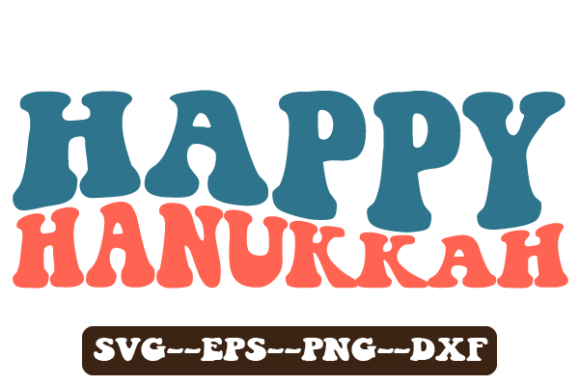
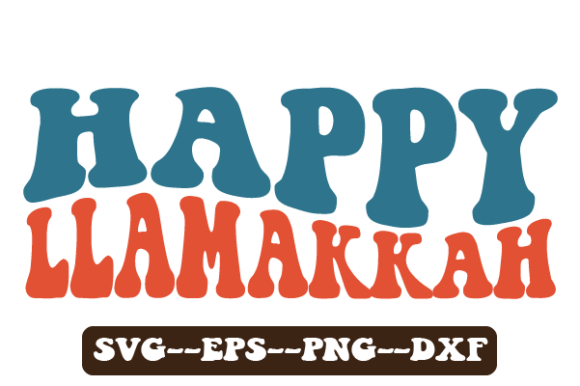
The moment you open the file, the retro aesthetic hits you immediately. The wavy typography style evokes a mid-century modern vibe that feels warm, nostalgic, and incredibly inviting. For an embroidery designer, the "wavy" nature of the text is both a blessing and a challenge. It creates a fluid, organic shape that stands out against structured geometric backgrounds, but it also demands attention to curve stability during digitizing.
In terms of mood, this design screams comfort. It is not trying to be formal or traditional in a stiff way; instead, it offers a playful, celebratory energy perfect for Hanukkah gatherings, cozy winter nights, or casual holiday parties. The visual personality suggests a brand that values fun, inclusivity, and handmade charm. It feels like the kind of design that belongs on a kitchen towel hanging near the coffee maker or the front panel of a sweatshirt worn while baking cookies.
Real-World Application: Where Does This Design Shine?
I evaluated how Happy Llamakkah Retro Wavy Svg performs across several common product categories. My primary test case was a custom embroidered tote bag for a boutique holiday pop-up shop. The retro wave pattern worked beautifully here because the canvas fabric provided a sturdy, neutral backdrop that allowed the design’s curves to breathe without distortion.
For apparel, specifically sweatshirts and t-shirts, this design excels. The bold, wavy lines read clearly from a distance, making it ideal for event merch or family matching outfits. When placed on a baby onesie or nursery decor item, the soft curves feel gentle and appropriate, avoiding the harshness of sharp angles. However, I found that for small items like caps or embroidered patches, the width of the wavy text might become too compressed, losing some of its signature charm.
It is also worth noting that this is listed as a sublimation and printable design (DXF, EPS, SVG). While these files are excellent for heat transfer vinyl or direct-to-garment printing, using them for machine embroidery requires conversion. If you are planning to use this as a machine embroidery design, ensure your software accurately interprets the vector paths into stitch data. The difference between a crisp digital print and a stitched texture can change the entire feel of the handmade product.
Fabric and Surface Considerations
The choice of fabric plays a massive role in how this design lands. On smooth cotton or polyester blends, the retro waves will appear clean and professional. However, if you attempt to stitch this on highly textured fabrics like bouclé wool or thick chenille, the fine details of the wavy edges may get lost. Similarly, on stretchy knits, the design must be stabilized properly to prevent puckering along the curves.
I also tested the concept on dark fabric backgrounds. The contrast is crucial here. If the thread colors do not pop against the base material, the retro aesthetic falls flat. Light, vibrant threads are recommended to maintain the cheerful, high-energy vibe of the original artwork. For commercial embroidery projects where consistency is key, sticking to solid-colored garments rather than busy patterns ensures the design remains the focal point.
Technical Execution and Stitching Clarity
When converting vector files like DXF, EPS, or SVG into stitch formats, the devil is in the details. The wavy lines in Happy Llamakkah Retro Wavy Svg likely rely heavily on satin stitches for the outlines and fill stitches for the body. A skilled digitizer needs to pay close attention to stitch density. If the density is too high, the fabric will pucker; if it is too low, the design will look sparse and cheap.
One area to watch is the transition points in the waves. These are areas where the needle direction changes rapidly. Without proper underlay stitching, these transitions can lead to thread breaks or misalignment. I always recommend testing the design on scrap fabric first to check for any awkward jumps or unnecessary trimmings. Additionally, inspecting small details—such as the inner corners of the letters—is vital. In a custom apparel context, blurry or merged details can make a premium product look mass-produced.
Stabilizer and Hoop Size Strategy
To achieve the best results, choose a stabilizer that matches the weight of your fabric. For lightweight tees, a cut-away stabilizer provides lasting support, preventing the waves from distorting after washing. For heavier hoodies, a tear-away might suffice if the hoop size is large enough to hold the garment taut. Always confirm the hoop size required by the converted design to avoid cropping the ends of the wavy text.
Marketability and Customer Appeal
From a business perspective, Happy Llamakkah Retro Wavy Svg has strong potential. The niche combination of Hanukkah themes with retro aesthetics taps into a growing demand for unique, non-traditional holiday merchandise. Etsy sellers and craft fair vendors often struggle to find designs that stand out in a crowded feed. This design’s distinct visual identity helps it grab attention.
It works exceptionally well for personalized gifts. Imagine a custom pillow cover or apron gifted to a friend who loves both holidays and vintage styles. The emotional connection created by such a specific, thoughtful design can drive higher customer satisfaction and repeat business. Furthermore, because it is available as a digital embroidery file or vector asset, it can be used to create printable mockups for online listings, allowing buyers to visualize the finished product before purchasing.
Practical Designer Notes Before You Stitch
- Test First: Never rush into production. Run a test stitch on the actual fabric type you plan to sell.
- Check Contrast: Ensure your chosen thread colors provide sufficient contrast against the fabric.
- Review Licensing: Although the product includes DXF, EPS, and SVG files, verify the commercial usage rights before selling finished items.
- Inspect Details: Zoom in on the vector file to ensure no tiny elements are too small to stitch effectively.
- Black and White Test: View the design in grayscale to check balance and readability without relying on color.
Final Verdict
Happy Llamakkah Retro Wavy Svg is a charming, versatile design that brings a fresh take to holiday crafting. Its retro appeal makes it suitable for a wide range of embroidery projects, from tote bag designs to holiday embroidery gifts. While it requires careful attention to digitizing and fabric selection, the end result is a polished, professional-looking piece that customers will love. For designers looking to add a touch of whimsical nostalgia to their craft business inventory, this is a solid addition to your library of design assets.