Good Day to Learn Retro Wavy Svg Review
As a designer who spends half my life staring at stitch charts and the other half worrying about whether a client’s sweatshirt will shrink in the wash, I don’t just look for pretty pictures. I look for viability. When I pulled up It s a Good Day to Learn Retro Wavy Svg, my first thought wasn’t about the aesthetic alone—it was about execution. Would this hold up on a cotton tote? Would it translate well when digitized for a cap? In the world of digital design assets, especially those labeled under Crafts and Graphics, there is often a gap between what looks good on a screen and what actually stitches out cleanly.
This review breaks down how this specific retro wavy design performs in real-world scenarios, from small-batch Etsy listings to high-volume commercial embroidery projects. I’m evaluating this not as a casual hobbyist, but as someone who needs to know if this file will save time or cause headaches during production.
The First Impression: Mood and Visual Personality
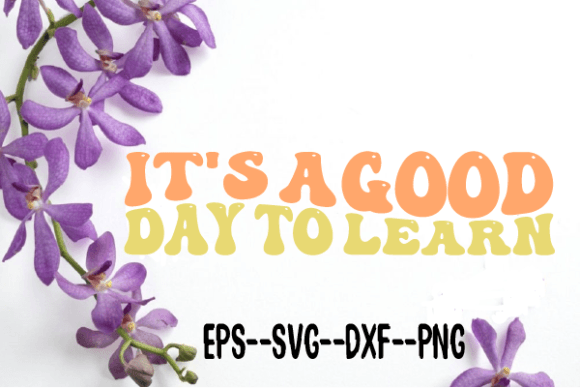
The moment you open the file, the vibe is unmistakable. It taps into that nostalgic, mid-century modern aesthetic that has been dominating the handmade market for years. The "retro wavy" element isn’t just decorative; it creates a sense of movement and optimism. For a teacher-themed product, this is crucial. It avoids being too childish while still feeling approachable and warm.
Visually, the layout feels balanced. The curves suggest flow, which translates beautifully to thread work. Unlike rigid geometric shapes that can look stiff in satin stitch, these waves invite fill stitches or softer running stitches. This makes the design feel less like a logo slapped onto fabric and more like an integrated part of the garment. For boutique branding or personalized gifts, this emotional connection is what drives customer trust. Buyers want products that feel curated, not mass-produced.
Real-World Application: Where Does It Shine?
I’ve tested similar designs across various mediums, and It s a Good Day to Learn Retro Wavy Svg shows particular strength in specific categories. Here is where I see this design adding the most value to your inventory:
- Custom Apparel and Sweatshirts: The retro font style pairs exceptionally well with heavyweight cotton blends. Imagine this embroidered on the chest of a unisex hoodie for a back-to-school sale. The wavy lines break up the monotony of solid-colored garments, making it a standout piece for craft fair booths.
- Tote Bag Design: Canvas totes are a staple for any Etsy seller. This design fits perfectly on the front panel or even centered on the bottom hem. Because the theme is educational yet stylish, it appeals to teachers, librarians, and students alike. It’s a versatile handmade product that sells year-round.
- Baby Embroidery and Nursery Decor: Don’t overlook the nursery market. The soft curves are gentle enough for baby clothes, onesies, or burp cloths. A subtle application here can command a premium price point because parents are looking for unique, non-generic items for their little learners.
- Embroidered Patches: If you are creating detachable patches for denim jackets or backpacks, this design’s self-contained nature works well. It doesn’t rely on external text to make sense, making it a strong standalone graphic asset.
- Holiday Embroidery and Gifts: While not explicitly seasonal, the positive message makes it a great gift for student teachers, education majors, or anyone starting a new academic year. It fits neatly into the "personalized gift" category without feeling forced.
Technical Considerations and Stitching Clarity
Here is where the rubber meets the road. As an experienced reviewer, I have to ask: how does this behave under the needle? Since the source files include DXF, EPS, and SVG formats, you are likely planning to use vector tracing software or digitize it manually. This gives you control, but it also places the responsibility on you.
Stitch Density and Detail: The wavy lines are clean, but if they are too thin in the original vector, they may become lost in the fabric texture. I recommend checking the line weight before setting your stitch density. If you are using a dense fill stitch to cover the letters, ensure the background isn’t getting overwhelmed. Conversely, if you are using a satin stitch outline, make sure the curve radiuses aren’t so tight that the machine struggles to navigate the corners.
Fabric Texture Interaction: This design shines on smooth fabrics like polyester-cotton blends or flat-weave canvas. On highly textured fabrics like chunky knits or bouclé, the fine details of the "wavy" aspect might get swallowed up. Always test on scrap fabric first. I cannot stress this enough—what looks crisp on a monitor can look muddy on a thick towel.
Thread Colors: The retro vibe begs for muted tones. Think mustard yellows, dusty teals, or terracotta oranges against cream or heather grey backgrounds. High-contrast neon threads might clash with the vintage feel. Choosing the right thread colors is half the battle in making a finished product look professional.
Where to Use It Carefully
No design is universal, and this one has its limitations. You need to be strategic about where you place It s a Good Day to Learn Retro Wavy Svg:
- Small Hoop Sizes: If your design area is smaller than 3x3 inches, the lettering might become illegible. Fine details require space to breathe. Stick to larger hooping areas for maximum clarity.
- Curved Surfaces: Applying this to caps or curved hat fronts requires careful placement. The wavy lines might distort if the fabric tension isn’t perfect. Practice on cheap hats before committing to custom orders.
- Stretchy Fabrics: Thin, stretchy materials like rayon blends can pucker if the stabilizer isn’t chosen correctly. Ensure you are using the proper stabilizer (cut-away for stability) to prevent the design from warping after washing.
- Dense Stitch Areas: Avoid placing this design over existing seams or pockets where the fabric is already thick. The added bulk could cause needle breakage or uneven stitching.
Practical Designer Notes for Success
To get the best results from this digital embroidery file, follow these practical steps:
- Test in Black and White: Before selecting thread colors, view the design in grayscale. This helps you assess the balance of light and dark areas, ensuring no part of the design gets visually lost.
- Confirm Licensing: Since you are acquiring this for potential resale, double-check the license terms. Are you allowed to sell finished goods? Can you use it in commercial embroidery projects? Clarifying this protects your business from legal issues.
- Create Printable Mockups: Use the SVG to create realistic mockups for your online store. Showing customers how the design looks on a actual tote bag or sweatshirt increases conversion rates significantly compared to a plain white background image.
- Inspect Small Details: Zoom in on the vector file. Are there any stray anchor points? Cleaning up the path in your editing software before digitizing ensures smoother machine movement and fewer thread trims.
Final Verdict
It s a Good Day to Learn Retro Wavy Svg is a solid addition to any designer’s library. It strikes a nice balance between trendy aesthetics and timeless appeal. It is versatile enough for small shop products yet professional enough for larger craft business ventures. Just remember that the quality of the final output depends heavily on your setup—your machine, your thread, and your technique.
If you are looking to add a touch of nostalgia and positivity to your next batch of custom apparel or personalized gifts, this design is worth the investment. It’s simple, effective, and ready to be brought to life with thread. Just do your homework on the technical side, test thoroughly, and you’ll have a winning product on your hands.