Give Thanks New Retro Wavy Svg Review
As a designer who spends more time than I care to admit staring at stitch charts and testing thread tensions, I approach every new digital asset with a mix of optimism and skepticism. The market is flooded with "retro" designs, but few manage to capture that specific mid-century charm without feeling dated or cluttered. That was my first thought when I pulled up Give Thanks New Retro Wavy Svg. It arrived as part of a package labeled as a sublimation design, yet the visual language screams embroidery potential. This review isn't just about looking at a static image; it is about evaluating how this graphic translates into a tangible, stitched reality for craft business owners, Etsy sellers, and serious hobbyists.
First Impressions: Mood and Visual Personality
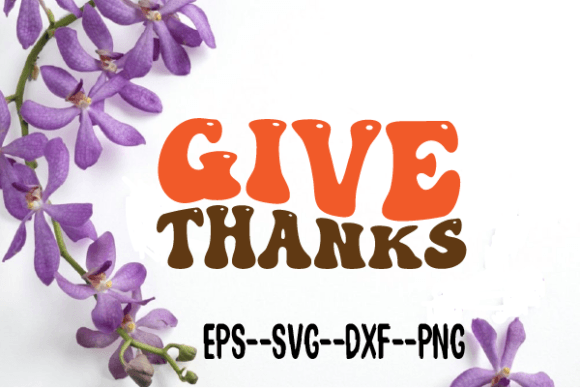
The immediate appeal of Give Thanks New Retro Wavy Svg lies in its typography and flow. The wavy text style evokes a nostalgic 1970s aesthetic, which has seen a massive resurgence in home decor and apparel. Unlike rigid, blocky fonts, the undulating lines suggest movement and warmth, making it an excellent choice for themes centered around gratitude, autumn gatherings, and family connections. From a design perspective, the negative space created by the waves is crucial. It prevents the design from feeling too heavy, allowing the fabric texture to peek through—a vital consideration for any machine embroidery project where breathability and comfort matter.
The file package includes DXF and EPS formats. While these are vector graphics typically associated with cutting machines like Cricut or Silhouette, their scalability makes them highly relevant for digitizing into embroidery files. For those of us in the crafts category, particularly those dealing in Graphics for commercial use, having a clean vector base means you can manipulate the curves before committing to a digitized stitch plan. The retro vibe is strong enough to stand alone but subtle enough to serve as a background element for more complex projects.
Real-World Application: From Screen to Stitch
I recently took this concept into my studio to test its viability for a custom client order. The request was for a personalized holiday gift set: a cozy sweatshirt and a matching kitchen towel. Here is how Give Thanks New Retro Wavy Svg performed in practice.
Custom Apparel and Sweatshirts: When placed on the chest of a heather gray sweatshirt, the wavy lines create a flattering, organic shape that draws the eye across the torso. The retro font works beautifully with fill stitches. Because the letters are connected or closely spaced in many retro styles, using a dense fill stitch can create a bold, textured logo effect. However, caution is advised with very thin wavy lines; they may require satin stitching along the edges to maintain clarity and prevent fraying during wear. The design feels premium here, elevating what could have been a generic "thankful" shirt into a boutique-quality piece.
Kitchen Textiles and Home Decor: On a tea towel or pillow cover, the design shifts from wearable art to functional decor. The theme of gratitude fits perfectly in a dining room setting. I found that applying this design as an applique cutout—using the DXF file to cut felt or cotton shapes before stitching them down—added significant dimension. The contrast between the smooth applique fabric and the surrounding running stitch border gave the finished product a handmade, artisanal feel that customers love. It transforms a simple kitchen towel into a memorable housewarming gift.
Baby Items and Nursery Decor: The soft curves of the wavy text are gentle and safe-looking, making it suitable for baby onesies or burp cloths. In this context, the "Give Thanks" message takes on a spiritual or familial tone. Using pastel thread colors against white or cream fabric enhances the innocence of the design. It is a smart addition to any small shop product line focused on nursery decor or baby showers.
Strategic Considerations for Embroidery Designers
While the visual appeal is high, translating this vector graphic into a successful embroidery file requires technical judgment. Not all parts of this design will behave equally well under the needle.
- Hoop Size and Placement: Ensure your hoop size accommodates the full width of the wavy text. If the waves extend too far, you risk distortion at the edges of the hoop. Centering the design is critical to balance the visual weight.
- Stitch Density and Clarity: The thin parts of the wavy lines are vulnerable. If the stitch density is too low, the underlying fabric may show through, ruining the retro aesthetic. Conversely, if the density is too high, the fabric may pucker, especially on lightweight materials. A balanced approach using a combination of fill and satin stitches is often best.
- Fabric Texture Compatibility: This design shines on smooth fabrics like cotton blends, fleece, and denim. Avoid heavily textured fabrics like terry cloth or chunky knits, as the fine details of the wavy typography may get lost in the weave. For dark fabrics, ensure your thread colors provide sufficient contrast; light threads on dark backgrounds can look muddy if not backed properly.
- Small Details and Corners: If the design includes decorative accents or tiny lettering within the waves, inspect these areas closely. Tiny details often suffer in embroidery unless digitized with exceptional precision. Test these elements on scrap fabric first to confirm they remain legible after washing.
Commercial Viability and Brand Consistency
For Etsy sellers and creative entrepreneurs, Give Thanks New Retro Wavy Svg offers strong commercial potential. The retro aesthetic is timeless in its trendiness, appealing to buyers looking for unique, non-mass-produced items. When used in printable mockups or digital product previews, the design’s clean lines reproduce well, helping to drive sales online. However, professionalism is key. Ensure that the final embroidered patch or tote bag design looks polished. A poorly digitized version can damage customer trust, while a well-executed one reinforces brand consistency.
Consider the versatility of the design assets. Can it be scaled down for a hat embroidery? Yes, provided the text remains readable. Can it be enlarged for a blanket? Absolutely, though larger sizes may require more stabilizer support. The ability to adapt this single graphic across multiple product types—from custom apparel to holiday gifts—maximizes the return on investment for your design purchase.
Practical Designer Notes Before You Start
Before adding this to your production workflow, keep these practical tips in mind:
- Test on Scrap Fabric: Always run a test stitch on the same fabric type you plan to sell. This reveals issues with tension, puckering, or color contrast early.
- Check Licensing: Confirm whether you have commercial rights to sell finished products made with this design. Digital embroidery files often come with specific usage terms.
- Use Proper Stabilizer: The right stabilizer is non-negotiable for maintaining the integrity of wavy lines. Hoop stabilizers work well for most applications, but tear-away or cut-away options may be needed depending on the fabric stretch.
- Thread Color Selection: Experiment with thread colors. Gold or rust tones enhance the retro feel, while pastels soften it. View your choices in black and white mockups to check contrast levels.
In conclusion, Give Thanks New Retro Wavy Svg is a versatile, mood-rich design that bridges the gap between digital graphics and tactile embroidery. With careful digitization and attention to fabric choice, it can become a standout item in any handmade product catalog. It rewards the designer who pays attention to detail and delivers a finished product that feels both nostalgic and fresh.