But First Unicorns Retro Wavy Svg Review
As a designer who spends half my life staring at stitch charts and the other half worrying about whether a client’s vision will actually hold up in a hoop, I approach every new digital asset with a mix of curiosity and skepticism. The market is flooded with generic clipart, but finding a design that balances aesthetic charm with technical viability for embroidery is rarer than it should be. That is exactly why I pulled But First Unicorns Retro Wavy Svg into my workflow to see if it deserves a spot on your next production run or if it belongs in the "maybe later" folder.
First Impressions: Mood and Visual Personality
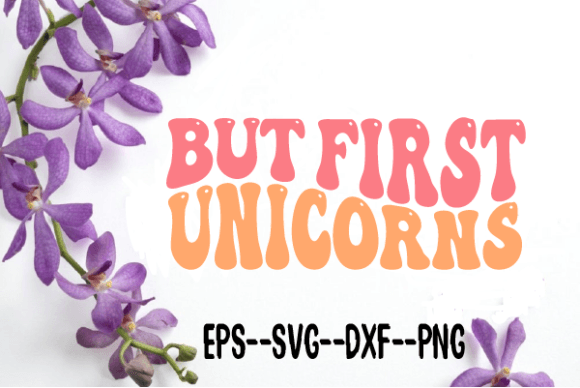
The moment you open this file, the retro wavy aesthetic jumps out. It isn’t just a standard unicorn silhouette; it has that distinct late-sixties or early-seventies vibe that feels nostalgic yet fresh. For an embroidery project, this matters because texture and flow are everything. A rigid, geometric design can look stiff when stitched, but this wavy layout naturally invites movement. It suggests a relaxed, playful mood that resonates well with modern handmade aesthetics.
Visually, the design creates a strong focal point without being overwhelming. The typography integration—implied by the title—usually pairs well with illustrative elements, creating a balanced composition. When I visualize this as a custom apparel piece, specifically a crewneck sweatshirt or a high-quality cotton t-shirt, the retro theme fits perfectly with current trends in boutique branding. It doesn’t scream "cheap novelty"; it whispers "curated vintage." This distinction is crucial for Etsy sellers and small shop product owners who need their items to feel premium rather than mass-produced.
Real-World Application: Where This Design Shines
I decided to test how this machine embroidery design would perform across a few common product categories. My primary use case was preparing a batch of personalized gifts for a holiday sale. Specifically, I looked at its potential for tote bag design applications and nursery decor.
On a canvas tote bag, the wavy lines break up the large surface area effectively. Unlike a dense block of text which can weigh down light fabric, the organic curves of this design allow the fabric to breathe. It works beautifully as a chest-level placement on a sweatshirt embroidery project, where the curve follows the natural drape of the garment. For baby embroidery, such as on muslin blankets or onesies, the soft retro palette (assuming you choose appropriate thread colors) offers a gender-neutral or universally appealing look that parents love.
Furthermore, this design translates exceptionally well to non-apparel items. I imagined it on a kitchen towel or a pillow cover. In these contexts, the embroidered patch quality of the design adds a tactile element that prints simply cannot replicate. Customers often mention the "handmade" feel as a key driver for purchase, and nothing says handmade quite like visible, textured stitching. If you are selling digital product previews or printable mockups, this design provides a versatile base that looks good on both flat lays and modeled shots.
Technical Considerations and Stitch Clarity
However, not every design is created equal, and there are areas where caution is required. The most critical factor here is stitch density and detail resolution. While the overall shape is clear, the finer details within the wavy lines and any accompanying text need careful scrutiny. If the stitch density is too high for the fabric weight, you risk puckering, especially on lightweight tees or thin cottons.
I always advise testing the design on scrap fabric first. When evaluating But First Unicorns Retro Wavy Svg, pay close attention to how the satin stitch handles the edges of the unicorn horn or any small decorative accents. If the stitches are too narrow, they may merge together, losing definition. Conversely, if the fill stitch areas are too sparse, the backing material might show through, giving a cheap appearance. You must also consider the hoop size; ensure the design fits comfortably within your machine’s maximum hoop dimensions without requiring awkward re-hooping, which can misalign the pattern.
Another technical note involves the stabilizer. For a design with wavy, flowing lines, a cut-away stabilizer is often safer than tear-away, particularly if you are working with stretchy knits or fabrics that might distort under the tension of the hoop. Using the wrong stabilizer can cause the waves to look distorted or uneven after stitching.
Where to Use Carefully
There are specific scenarios where this design might struggle:
- Small Hoop Sizes: If you are using a 4x4 inch hoop, ensure the entire graphic, including any surrounding negative space, fits without cropping essential details.
- Textured Fabrics: Bouclé wool or heavy tweed can hide the subtleties of the wavy lines. Stick to smooth fabrics like cotton, denim, or polyester blends for best clarity.
- Dense Stitch Areas: Avoid placing this design over existing seams or pockets, as the added bulk can create uncomfortable lumps in the finished product.
- Curved Surfaces: While it works on caps, the wavy nature might get lost if the curvature of the hat distorts the perspective. Test carefully on curved surfaces.
Impact on Brand and Customer Trust
From a business perspective, the choice of design assets directly impacts brand consistency and customer trust. A sloppy digitization job can ruin even the best creative concept. By choosing a well-structured file like this one, you signal professionalism. Buyers can tell the difference between a rushed print and a thoughtfully executed handmade product.
The retro theme also aids in buyer engagement. It taps into a specific emotional response—nostalgia and whimsy—that encourages social sharing. When customers post photos of their personalized gift featuring this design, they are essentially marketing for you. The visual appeal of the wavy lines makes for eye-catching photography, which is vital for Etsy listings and social media marketing.
Practical Designer Notes for Final Execution
Before you commit to a full production run, follow these practical steps to ensure success:
- Thread Color Contrast: Review the thread colors against your chosen fabric. Light threads on dark fabric require higher stitch density to prevent the fabric from showing through. Dark threads on light fabric offer better visibility but can look harsh if the contrast is too stark.
- Black and White Mockup: Convert your design to black and white to check the balance of positive and negative space. This helps identify if any areas are too crowded or too empty.
- Licensing Check: Confirm whether the digital embroidery file allows for commercial use. Since you are getting DXF, EPS, and SVG files, ensure the license permits you to sell physical goods made from them. Do not assume personal use rights extend to commercial sales.
- Test Print: Even though this is an embroidery review, remember that the source files include sublimation-ready formats. If you plan to offer hybrid products (e.g., printed patches with embroidered details), test the color matching between the two techniques.
Final Verdict
But First Unicorns Retro Wavy Svg is a strong contender for designers looking to add a touch of retro charm to their catalog. It strikes a balance between artistic flair and technical feasibility, making it suitable for a wide range of craft business applications. Whether you are creating holiday embroidery collections, expanding your apparel decorator services, or launching a line of digital product sellers assets, this design offers versatility and visual appeal. Just remember: the magic happens in the execution. Take your time with setup, choose your materials wisely, and let the quality of your workmanship speak for itself.